

We partner with owners to design, build, and run the digital engine their work has earned: AI-first apps, web properties and commerce, and the marketing and operations that make them work.
Rison is an AI-first lab, so week one ends with something you can click.
The work
The Rison process prototypes in days, executes in weeks, and scales in year one.
Domain-expert, human-led agentic AI: hyperspeed output, groundbreaking quality and results.
Who we partner with
Our partners earned their brand, their reputation, and
their customers through traditional channels.
Their digital channel is under-built, or
missing entirely.
Years of real sales and real customers. A record, not a pitch.
Decades of standing in their trade, the kind media can't buy.
Customers ready to buy direct and subscribe, once the way exists.
What they haven't had is the channel.
That's the part we build: AI-first, and without
a ceiling.

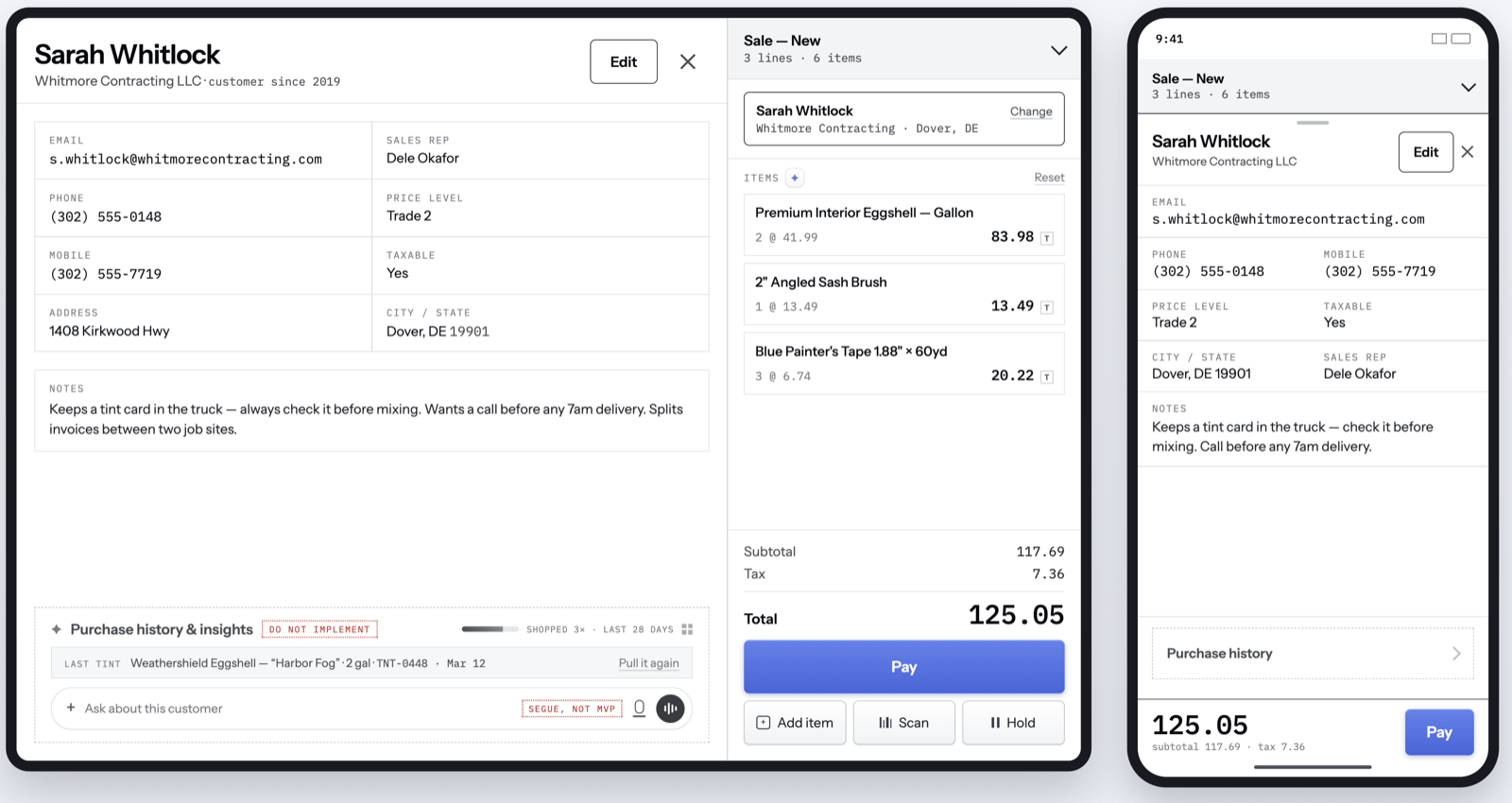
Twenty years ago, Rison principal Jeff Schneider founded OnSite and built the first point of sale for cloud ERP — for NetSuite. Thirteen years ago, SuiteRetail acquired OnSite; SuitePOS leads for Oracle NetSuite today. usellit is the next act, built AI-first with the retail knowledge already in the room.
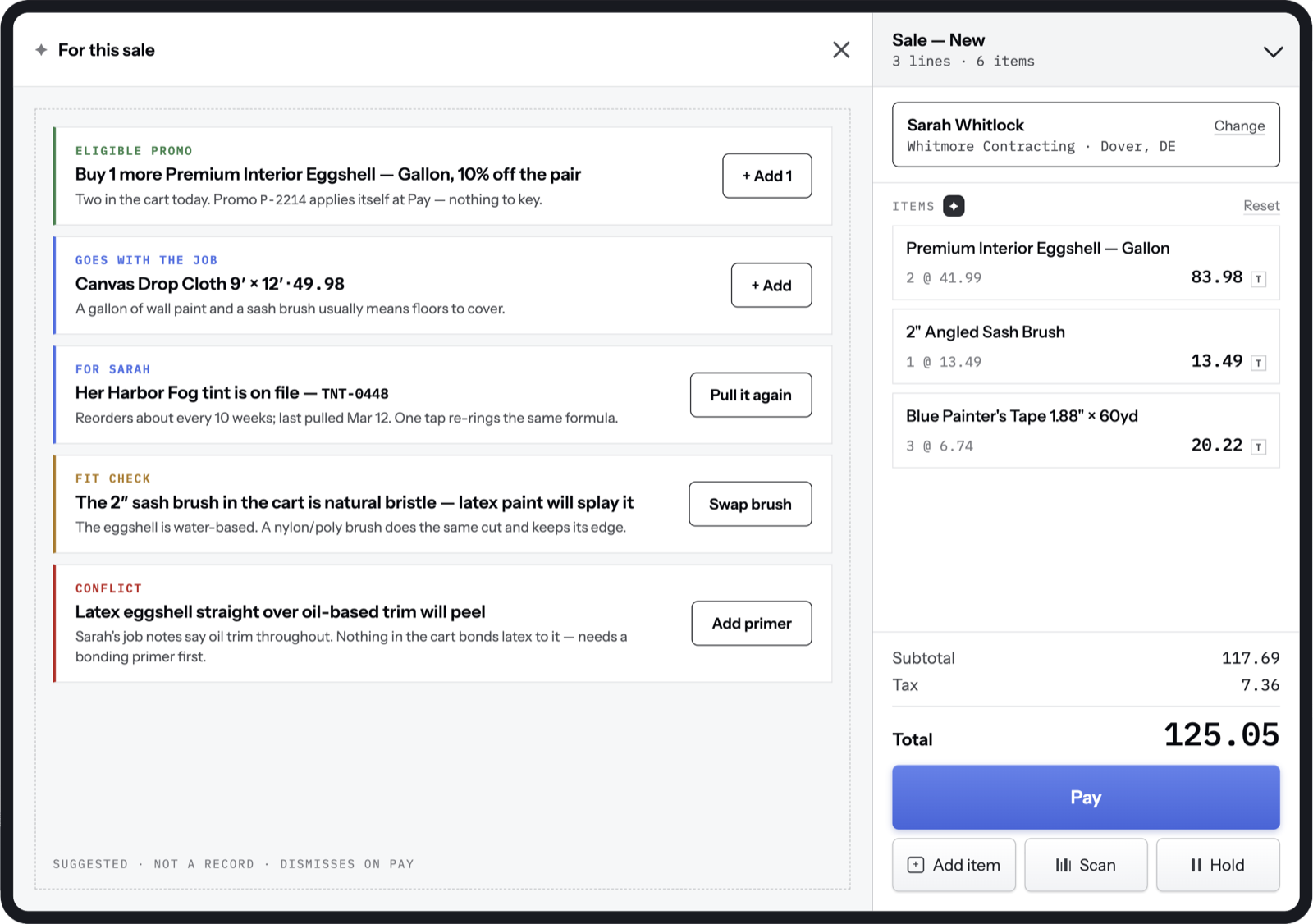
Real retailers at real volume, and established usellit technology in front of Oracle NetSuite and QuickBooks Online — set to become for cloud ERP at large what SuitePOS became for NetSuite. Years of unglamorous work a new entrant can't shortcut.
Rison leads product, marketing and sales, from the principal who has built this category twice. The vision was drawn AI-first in Claude Design: a revolutionary POS with clienteling built in, frame by frame, before a line of code. Then roadmapped into a fenced MVP, and executed agentically from spec to counter.
The strongest time to build the next version is while the current one is winning.
Same founder, thirteen years, still building. If the question is whether Rison stays, that's the answer.
Fabrics & Furnishings International · SIPCO
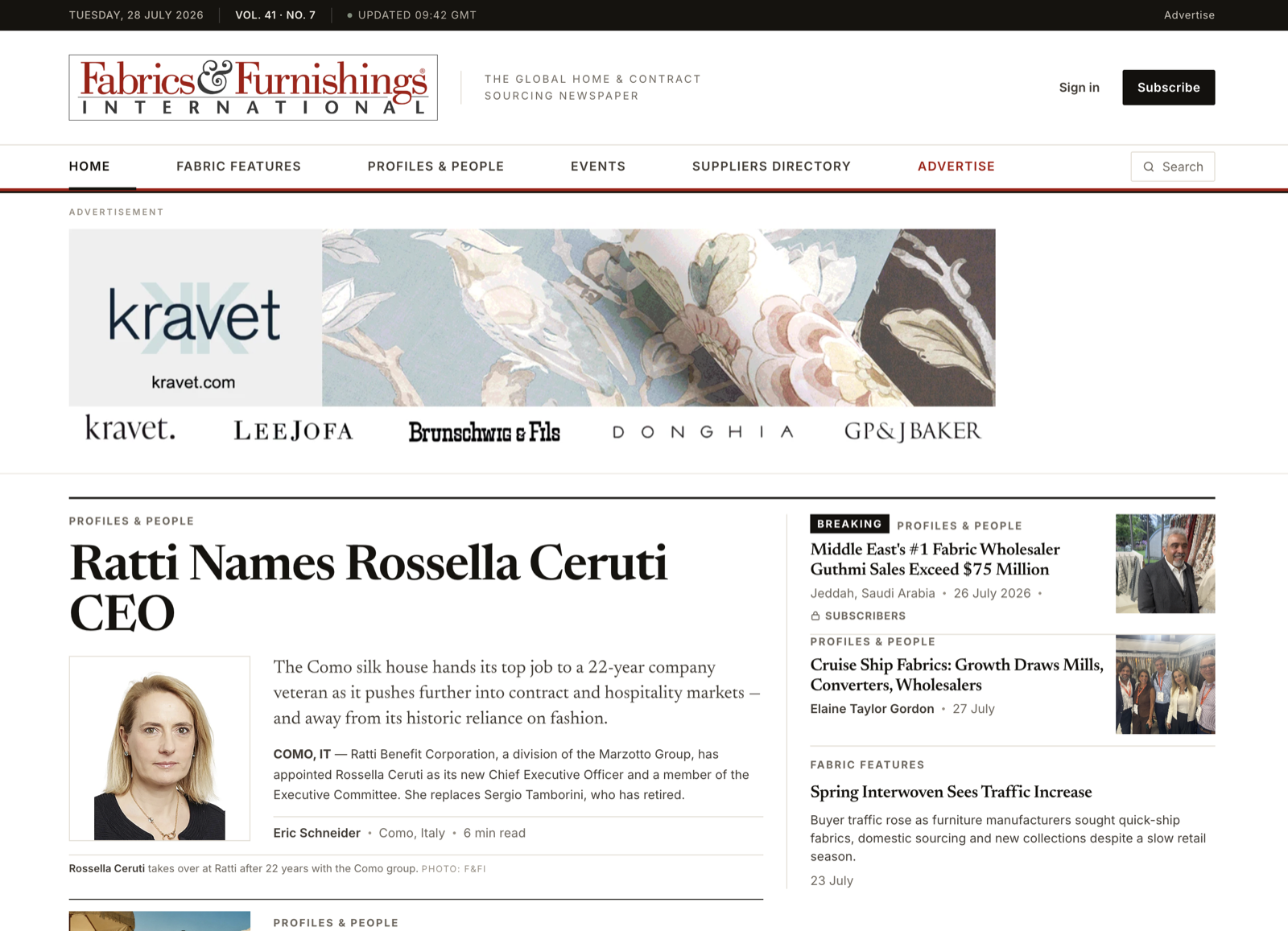
F&FI is the global home and contract sourcing newspaper — forty-one volumes of reporting the trade actually reads. Now it's earning online for the first time.
Print's economics thinned — while the readership, and the trust, held. What the title never had was a way for readers to pay.
The sections the trade navigates by, published daily, agentically run.
The first reader revenue in the title's history.
Buyers and suppliers: the industry's working index, under a masthead it already trusts.
The readership becomes a list the business owns, not a circulation figure it reports.
A founding stakeholder in the digital business, invested in what it earns. Forty-one years of trust, made buyable by the people who already rely on it.
1st MedX-Patch · 1st-MedX, Laurelton NY
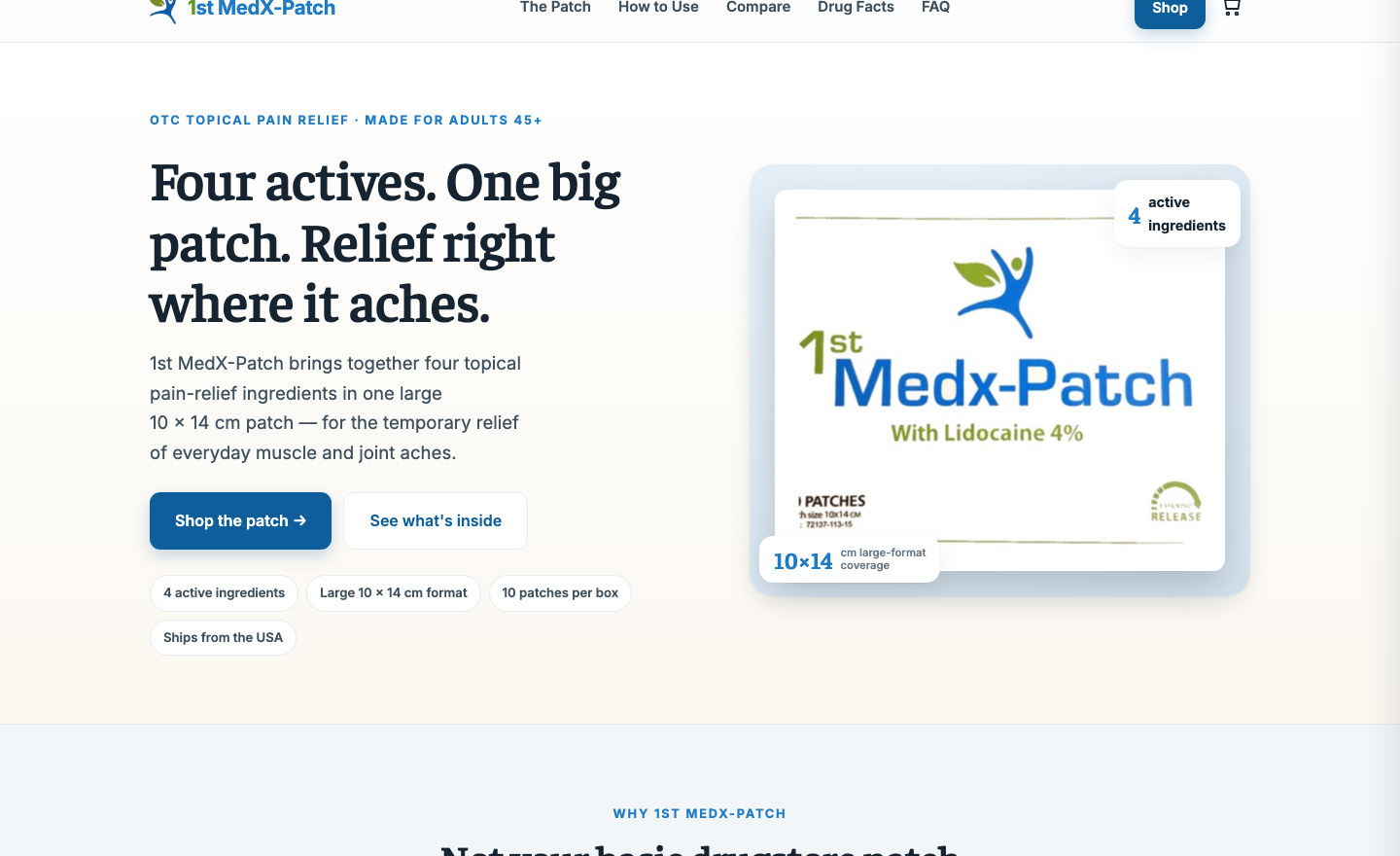
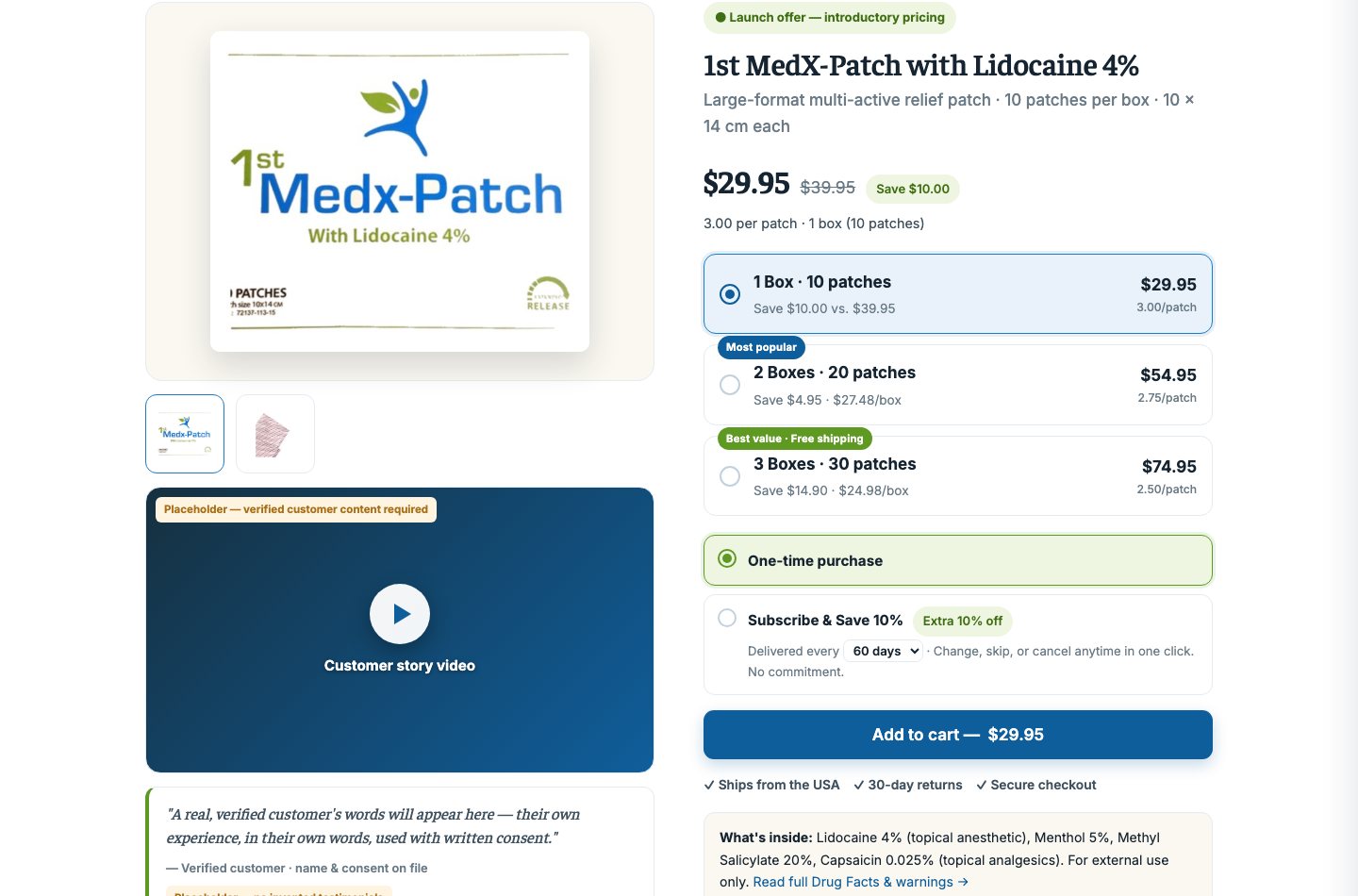
1st-MedX makes a large-format, four-active OTC patch that pharmacies have dispensed for years. We're building its first direct channel — so the people who use it can simply buy it.
Establishment registration, an active listing, a compliant Drug Facts panel, and years of pharmacists dispensing it. Its route to customers ran through reimbursement — sturdy for years, but on terms set elsewhere. Direct is the channel the product earned.
The page claims nothing about what the product does. In a regulated category, provenance is the story.
Bundles, cart, subscription, native chat and the full Drug Facts panel — built agentically on Shopify's theme architecture.
Two concepts, ready for Meta and Google Search. Owned channel first; Amazon deliberately later.
A fully loaded model: every scale decision on contribution, not revenue.
Five weeks to live, then a thirteen-week market test designed to mean something either way.
A small fixed fee for the build, then a royalty on digital revenue, then equity that vests.
Built, costed and scheduled, ahead of first orders. The thirteen-week test is designed to prove a channel that funds its own growth: acquisition below break-even, repeat purchase demonstrated.
Partnership
The structure is the strategy: every piece of it exists so that both sides want the same thing on the same timeline.
For twenty years, configuring someone else's software was the rational choice — custom cost too much. AI ended that. The exact thing now costs less than the near thing.
The first three partnerships began with prototypes built before their deals were signed. That speed is now week one of every engagement, so the first conversation is about the product, not a proposal.
Each project runs under a director who owns the day to day, with direction and oversight from Jeff. Small teams, on purpose: what used to take a department is now a few people with real leverage — the same capability we're being hired to install.
A fraction of market cash to start, and most of what we earn tied to what the channel earns.
The process
AI didn't just make the work faster; it changed the order. The build comes first, so everything after week one is a conversation about something you can click.
A working prototype of the app or web property, built agentically in days: real screens, real flows, your product and your customers in it. The three ventures here started exactly this way — see what a week produces before committing to anything.
The prototype hardens into the real thing on real architecture — app, storefront, or publication — wired to payments, subscriptions, email and analytics, with unit economics and a launch plan attached. Nothing ships on a hunch.
We run the channel against a defined MVP budget: media, creative, email cadence, content, and the operating rhythm around them. Spending decisions are made on contribution, and you see the same numbers we do.
What the numbers earn, grows. Test scope, martech reach and operations expand, and run more agentically every quarter — capacity is never the reason to wait — while the loop stays small and tightly held.
About

Founder
founded OnSite, 1998
first point of sale for NetSuite, 2006
NetSuite “Best Integrated Solution,” 2008
co-founded SuiteRetail, 2014
I started a digital services company at twelve, and spent my teens designing games. I've been building the thing rather than specifying it ever since.
By 1996 I was running worldwide sales at Ramhaus. Two years later I founded OnSite and ran it for fifteen years, which is where the range came from. I led design and production of a CPG analytics tool for Henry Rak Consulting Partners, the growth-strategy firm McKinsey later acquired, used at Kraft. We built early content management and ecommerce for Scientific American, and direct-to-consumer ecommerce for Sel-Leb, a NASDAQ-listed cosmetics company.
At OnSite I built the first point of sale for cloud ERP, on NetSuite. It won NetSuite's Best Integrated Solution, and the year after, OnSite and NetSuite formed an alliance to take a jointly powered multi-channel suite into retail. OnSite was acquired by SuiteRetail, where I spearheaded development of SuitePOS. It leads the space on Oracle NetSuite today, running high-volume retail at BNP Paribas, Kennedy Space Center, Soldier Field, Ole Smoky Distillery and The Christmas Place.
Rison is what I'm doing now. Off-the-shelf won because custom was unaffordable; that constraint is gone, and the businesses least equipped to notice are the ones with the most to gain: real products, real reputations, and a channel they've no way to reach. I take a founding position in a few of them and build it.
Away from it I'm a lifelong grappler: New York state champion, Division I wrestler at Rutgers, and a Brazilian jiu-jitsu black belt, still competing. Miami Open champion last year. I work the way I grapple: aggressively, long hours when a competition is close, and a little smarter every year.
Forty years, one thread: I design, architect and build custom platforms, engineered around real businesses — the way they work, and the way they'll need to work to stay competitive and end up in the winners' circle.